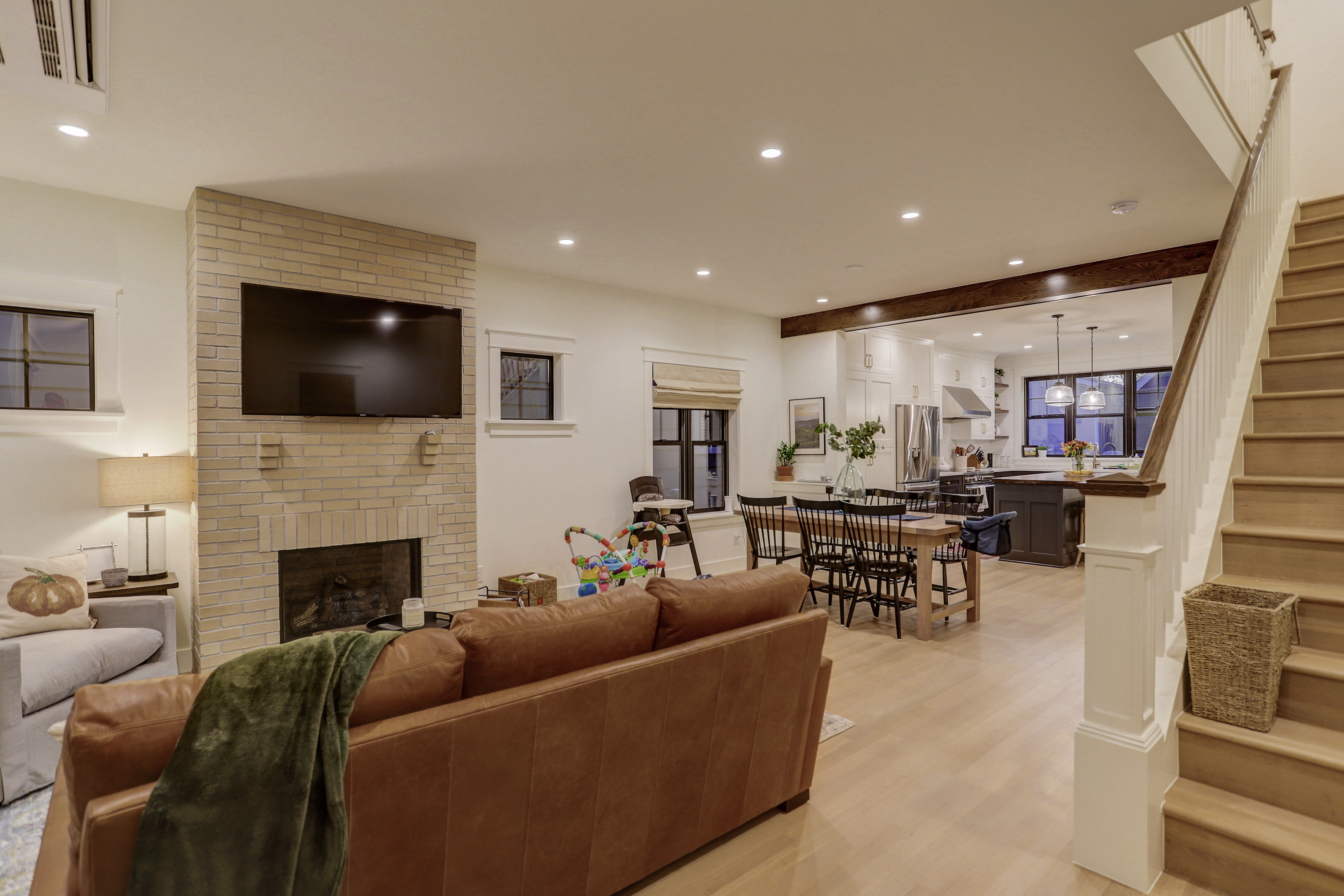
Denver's housing market rewards quality. In a city where buyers are increasingly savvy and home inspectors are thorough, the difference between a quick sale at asking price and a month of open houses often comes down to how finished the interior feels. Not the kitchen appliances. Not the countertops. The woodwork.
Finish carpentry — doors, trim, built-ins, moulding — sits in a unique category of home improvement. It's not as flashy as a kitchen remodel, but it delivers something kitchen remodels often don't: a sense of craftsmanship that permeates the entire home. Buyers feel it before they can articulate it.
Here's a clear-eyed look at which finish carpentry upgrades actually recoup their cost at sale, and which ones you're doing for yourself.
The ROI Breakdown by Upgrade
ROI in home improvement is notoriously hard to pin down — it varies by neighborhood, price point, and market conditions. What follows is our honest assessment based on Denver Metro transactions and industry data, not manufacturer marketing.
| Upgrade | Avg. Cost (Denver) | Est. ROI at Sale | Rating |
|---|---|---|---|
| Solid-Core Door Replacement (whole home) | $4,500–$9,000 | 80–100% | Excellent |
| Baseboard & Door Casing Upgrade | $2,000–$5,000 | 75–95% | Excellent |
| Crown Moulding (living/dining/primary) | $1,500–$3,500 | 70–90% | Strong |
| Custom Built-In Shelving / Bookcase | $3,000–$8,000 | 60–80% | Good |
| Cabinet Installation (kitchen/bath) | $5,000–$15,000 | 55–75% | Good |
| Wood Accent Wall / Wainscoting | $1,200–$3,000 | 50–70% | Good |
| Custom Built-In Entertainment Center | $6,000–$14,000 | 40–65% | Moderate |
Note: ROI figures represent recovered cost at sale, not net profit. A 100% ROI means you spent $5,000 and the home's sale price increased by $5,000 — break even. Upgrades with high ROI near or above 100% are essentially free improvements in the long run.
Why Doors and Trim Outperform Kitchens
The standard advice is to renovate the kitchen and bathrooms before listing. That advice isn't wrong, but it ignores an important factor: buyers discount for perceived incompleteness, not for dated appliances.
A buyer walking through a home with brand-new stainless appliances but hollow-core doors with cheap brass hardware will notice something feels off — they just won't know why. A home with solid-core doors, painted trim that actually meets corners cleanly, and crown moulding in the main living areas communicates quality at every step through the tour.
"Buyers make their decision in the first 30 seconds. They're feeling the door handle, hearing how the door closes, running their hand along the trim. That's what finish carpentry does — it wins those first 30 seconds."
The Staging Effect: Immediate vs. Long-Term
There's also the psychological staging effect to consider. Homes with high-quality finish carpentry photograph better, show better, and attract more competitive offers even before the financial calculation. In Denver's market, where listings often go active on Thursday and receive offers by Sunday, first impressions drive pricing power.
Interior designers staging homes for listing frequently add crown moulding and upgrade door hardware specifically for photography — that alone tells you the perceived-value impact is immediate.
What NOT to Upgrade Before Selling
In the interest of honesty: not every finish carpentry upgrade is worth doing before a sale.
- Ultra-custom woodworking with unique tastes: A hand-carved mantel or intricate inlay work that reflects your personal style may not translate to buyers. Neutral, classic trim profiles always win.
- Built-ins in secondary bedrooms: Buyers often want flexible space. A built-in bed frame or desk in a secondary bedroom can feel limiting rather than valuable.
- Matching trim to a specific paint color: If you upgrade trim right before listing and paint it a specific color, the buyer may want to repaint — and suddenly your new trim looks like extra work. Stick with bright white paint-grade trim.
The Denver Market Context
Denver buyers in the $600K–$1.2M range — the most active segment of the current market — are particularly sensitive to finish quality. These are buyers who have toured enough homes to know the difference between a builder-grade hollow door and a solid-core 1-3/4" solid panel door. They'll make an offer accordingly.
In neighborhoods like Washington Park, Hilltop, Cherry Creek, and the Highlands, finish carpentry quality is a baseline expectation at certain price points. Under-investing here means your home competes on price, not quality — a losing position in a market that rewards craftsmanship.
How to Prioritize Your Budget
If you're preparing to list within 12–18 months and have a limited budget, here's the order we'd recommend:
- Replace all hollow-core doors with solid-core — highest perceived impact, relatively efficient labor cost.
- Upgrade baseboards and door casings — if your existing trim is thin builder-grade, replacing it with 3.5" painted MDF casing and 4" baseboard transforms every room.
- Add crown moulding to living room, dining room, and primary bedroom — the three rooms buyers care about most.
- Replace door hardware throughout — satin nickel or matte black lever sets are inexpensive and immediately update the feel.
Done in this order, you can dramatically transform how a home presents for $8,000–$15,000 — an investment that typically returns close to full value in Denver's current market.