Another question we hear all the time is some version of, "If I only want to improve a few things, what trim details actually make the house look more custom?" That's the right question, because not every carpentry upgrade carries the same visual weight.
The best trim upgrades are the ones people feel immediately, even if they cannot name them. They make the walls look more intentional, the doors read as more substantial, and the transitions from room to room feel finished instead of builder-basic.
Baseboards + Door Casing
Taller baseboards and properly scaled casing instantly improve every room in the home.
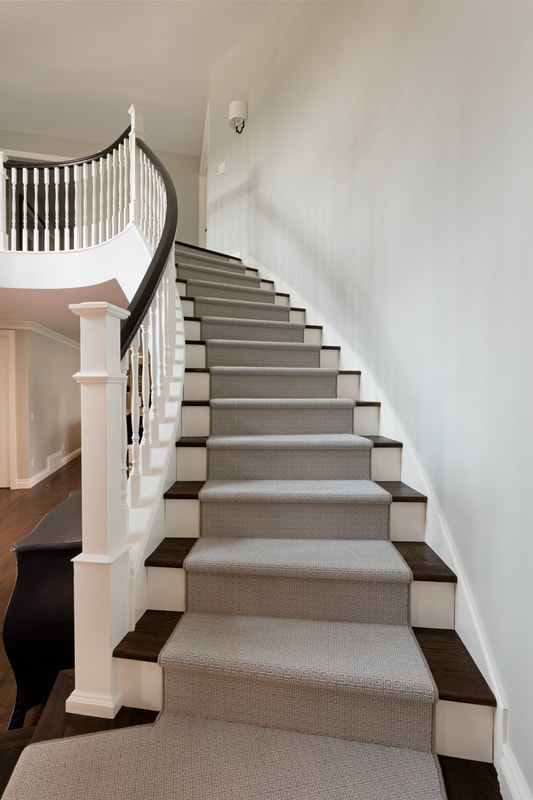
Stair and Hall Trim
These are high-visibility transition zones, so clean trim lines here do a lot of work.
Crown Moulding
Beautiful in the right rooms, but not the first upgrade we'd choose for every house.
Start With the Edges Everyone Sees
If a home has short, thin baseboards and narrow colonial casing, it will read builder-grade no matter how nice the furniture is. Upgrading to taller, cleaner baseboards and better-proportioned casing changes the room perimeter, and that changes everything else inside the room.
In most Denver homes, our favorite first move is a simplified trim package with stronger scale. That might mean 5-1/2" baseboards, flat stock casing, cleaner head details, and tighter paint lines. It feels calmer, more expensive, and more current immediately.
Don't Ignore Door Openings
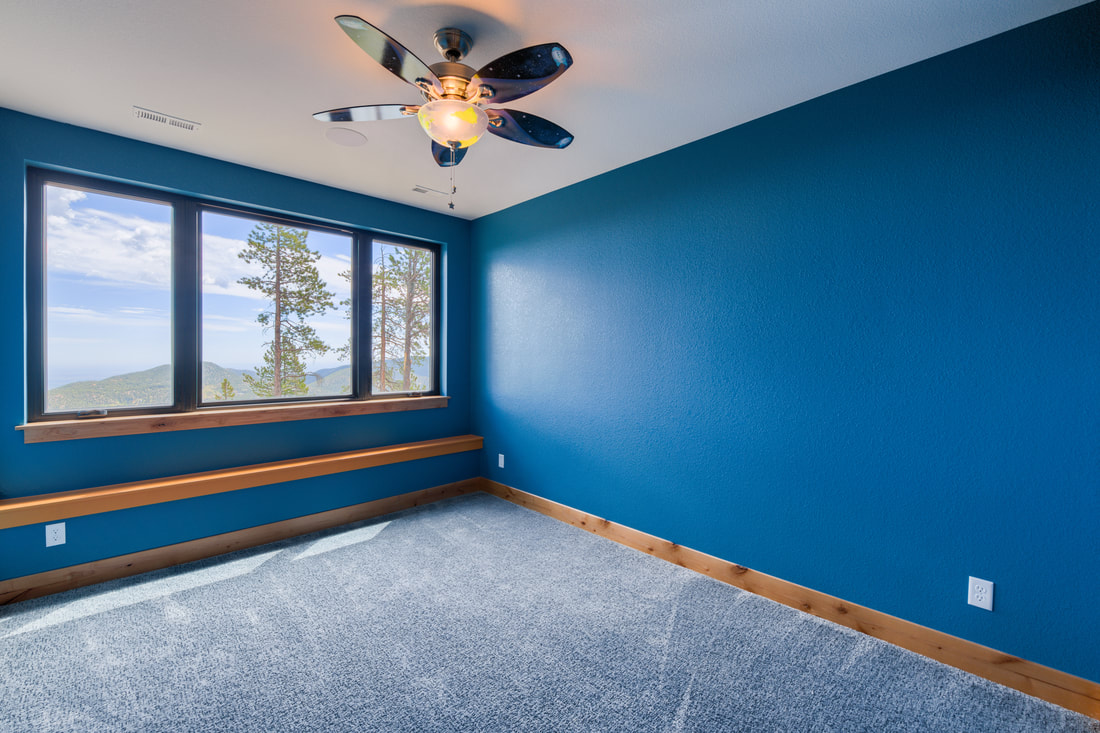
Door openings carry a lot of visual rhythm in a house. If the casing is undersized or inconsistent, the hallway feels choppy. When the trim profile, header treatment, and door style line up, the house starts to feel designed instead of assembled.
"Most builder-grade homes don't need more ornament. They need better proportions and more consistency."
That's why we often recommend tackling doors and trim together. Even if you're not replacing every interior door, upgrading the casing around the main openings can make the whole floor feel more cohesive.
Stairs, Landings, and Living Areas Are High-Leverage Spots
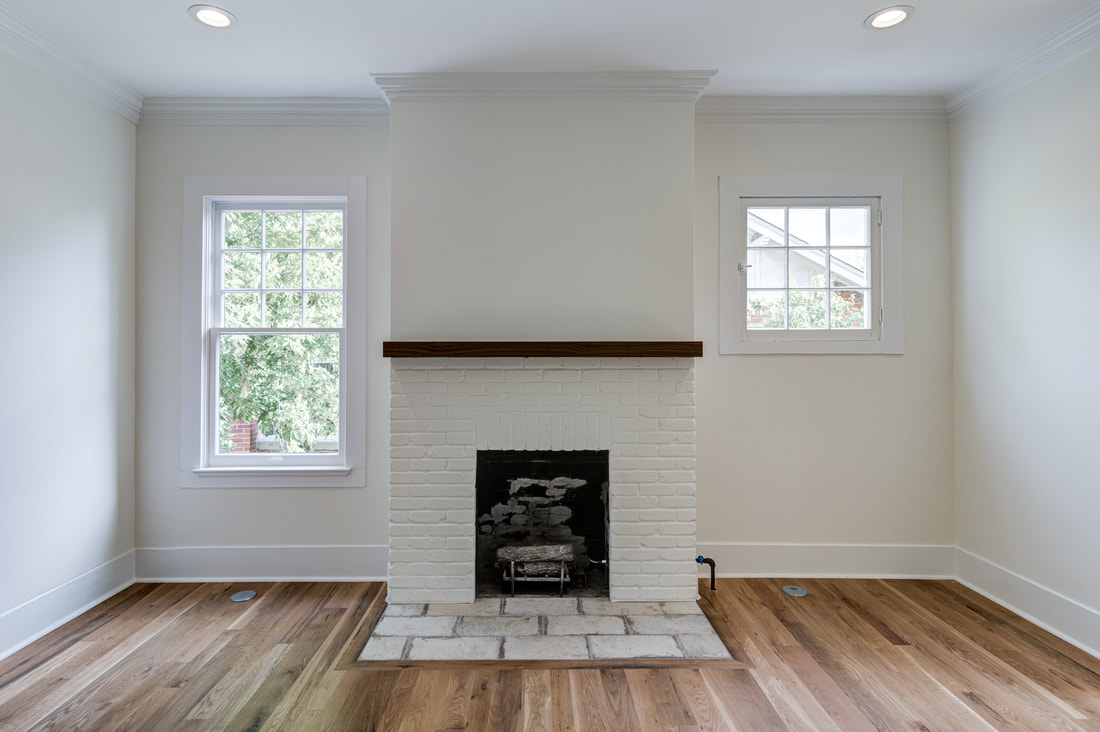
Staircases and living rooms show off trim better than almost anywhere else because they stack multiple materials together: skirt boards, handrails, newels, wall returns, baseboard runs, and often fireplace trim or built-ins. Improving those intersections creates a much stronger before-and-after than spending the same money on low-visibility corners.
Where Crown Moulding Helps and Where It Doesn't
Crown moulding is often the first thing people think of when they want a more upscale interior, but it is not always the best first dollar. It works especially well in formal dining rooms, living rooms, entry halls, and primary suites with enough ceiling height to support it.
If your home still has undersized baseboards and narrow casing, crown alone can feel backwards. We usually prioritize the trim people touch and pass every day before adding decorative layers near the ceiling.
A Smart Upgrade Sequence
- Start with baseboards and door casing in the main living areas.
- Upgrade the highest-traffic hallway and stair details next.
- Layer in crown, wall treatments, or built-ins after the core trim language is set.
- Keep profiles consistent so the house tells one story.
What We Usually Recommend
If the goal is to make a builder-grade home feel more custom without overbuilding it, we recommend simple profiles, better scale, and disciplined repetition. The magic is rarely in a fussy moulding. It's in trim that looks like it belongs to the house from day one.
Want help choosing the right trim package for your house?
We can help you figure out which changes will move the needle most before you spend on decorative extras. Reach out for a free estimate and we'll walk you through the best sequence.